Our Research Philosophy: Our mission is to uncover new biology unique to human genetic variants and advance indvidualized medicine (iMed) in cancer and autoimmunity by identifying next-generation therapeutic targets.
Current approaches to personalized medicine primarily focus on analyzing tumor DNA to align tumor-specific mutations with approved therapies. While promising, this strategy has significant limitations: only 30% of cancers with driver mutations—representing approximately half of all cancers—have approved treatments, translating to an overall effectiveness of just 15% across all cancers. In effect, 85% of cancer patients remain without the benefits of personalized medicine.
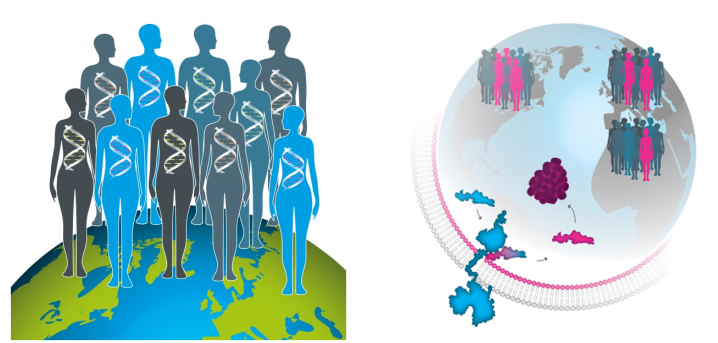
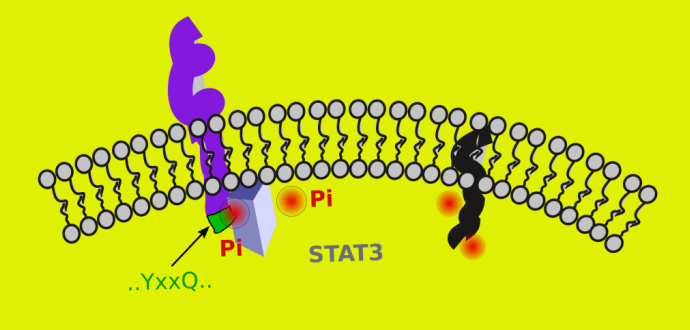
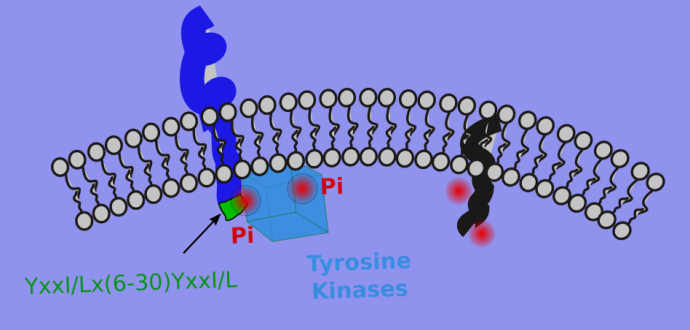
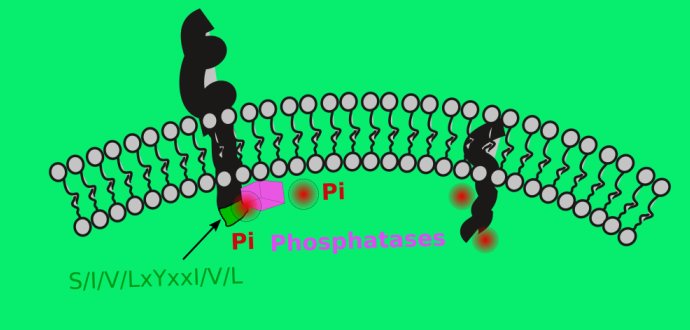
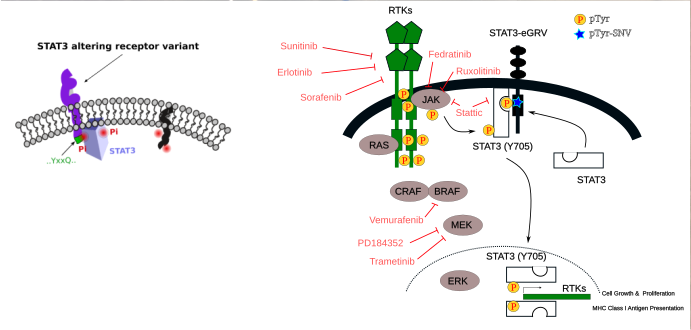
To address this unmet need, this research working group led by Dr. Vijay K. Ulaganathan is dedicated to identifying therapy-relevant germline genetic variants to enhance personalized treatment strategies for cancer patients. We posit that genetically determined membrane-proximal signaling pathways play a significant role in both tumor-intrinsic and tumor-extrinsic mechanisms. These mechanisms contribute to variations among individuals (referred to as individuality) in cancer traits, including anti-tumor immune responses, cancer progression, and sensitivity to therapies like chemotherapy and immunotherapy.
Despite their critical role, the functional implications of many cancer-associated human germline genetic variants in immune and oncogenic signaling pathways are not well understood, which poses a substantial knowledge gap that hinders the advancement of precision oncology. To address this gap in knowledge, the research group within the Molecular Genetic Division of the Institute for Medical Genetics and Applied Genomics (IMGAG) engages in clinically oriented basic science research. This research aims to provide foundational insights into how specific genetic variants alter signaling mechanisms, particularly in immune and oncogenic molecular signaling pathways.
Our work is the cornerstone of individualized Signaling Biology (iSignBio)—a novel field dedicated to unraveling the intricate interplay between genetic individuality and signaling biology. Through our efforts, we aim to advance the field of personalized medicine and enhance therapeutic outcomes for the many patients who are currently underserved by existing approaches.
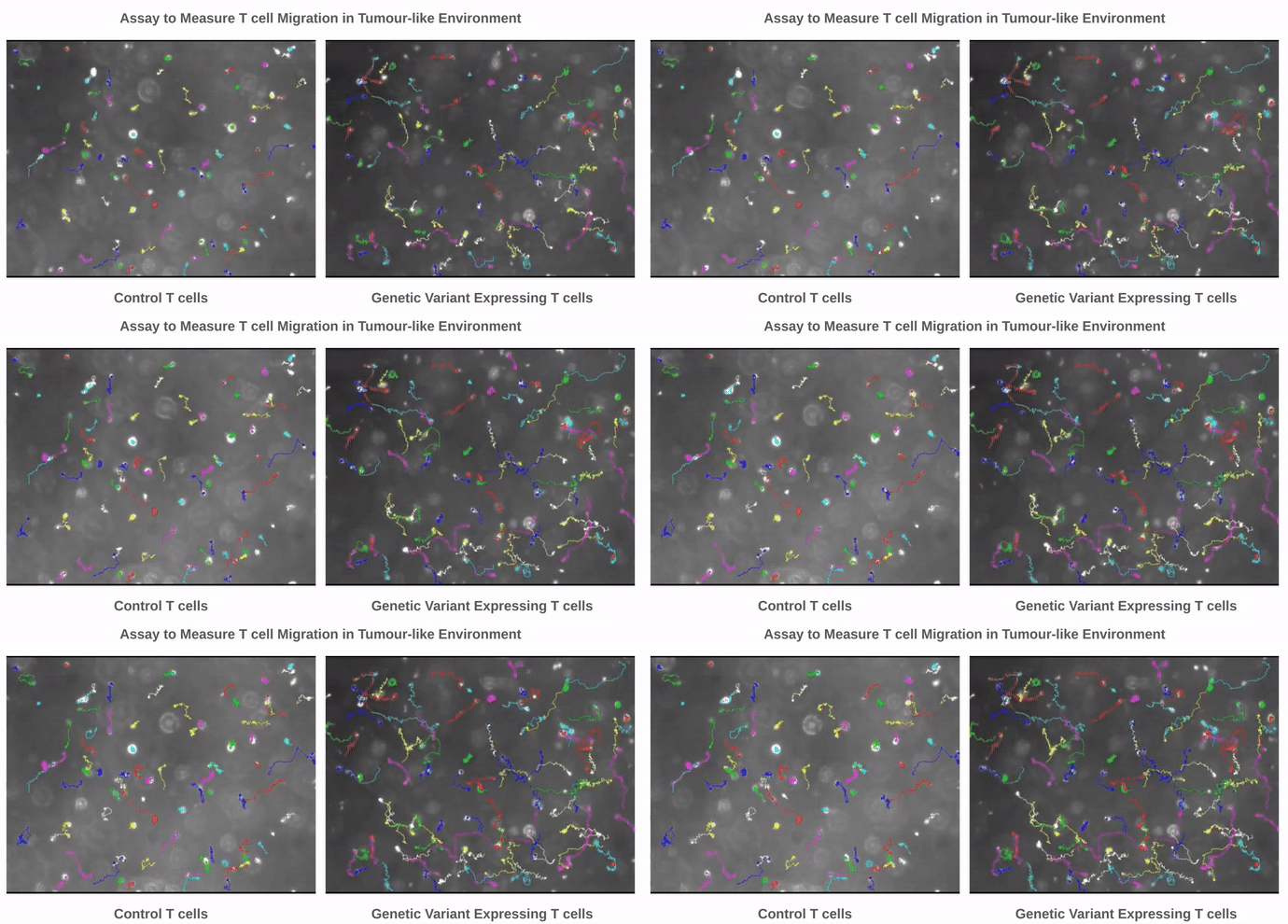
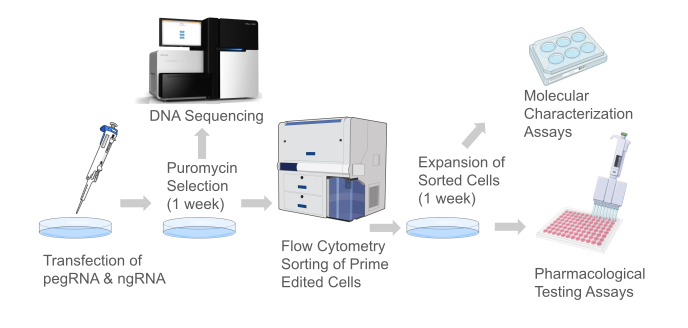
Collaboration with Clinicians: We are eager to collaborate with clinicians interested in gaining hypothesis-driven, mechanistic insights into genetic variants associated with disease or therapy. We also welcome opportunities to contribute to case-study manuscripts. Our approach combines molecular cell biology and immunology experiments, using genome editing and synthetic biology approaches to generate cells expressing patient-specific receptor variants. This helps us understand the mechanistic signaling pathways underlying the associations between genetic variants and cancer traits, including anti-tumor immune responses, cancer progression, and therapy sensitivity, across both chemotherapy and immunotherapy.
Internship/Praktikum/Thesis Opportunities available: We are always looking for enthusiastic students to engage in Internship (Praktikum), Bachelor's, or Master's research projects. If you're interested, feel free to contact me for more information about these opportunities.
Recent News
April 21, 2026
Congratulations to Henrik for delivering an exceptional poster presentation and for successfully executing the Tü‑Rex project with remarkable quality. See our LZTR1 pathway.
April 21, 2026
Congratulations to Tanja for delivering an excellent poster presentation and completing the Tü‑Rex project with remarkable precision..
Oktober 10, 2025
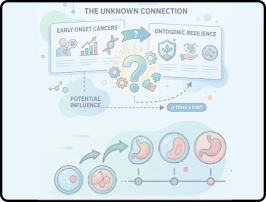
We welcome Pauline Vogel, who is interested in pursuing her Bachelor's thesis on developing a model system to study the molecular signaling basis of the early-onset cancers (EOCs)..
July 25, 2025
Congratulations to Marie Beil on receiving this one-year funding, which includes her HiWi position. Find more details about this program here.
March 31, 2025
Congratulations, Xinting for getting admission to this structured PhD program!
March 17, 2025
This is one of our shortlisted entries for the 2024 EACR Science Communication Prize themed around our #KeepResearchCurious campaign. Choosing a winner was incredibly difficult and we’re delighted to share our shortlist with you.
March 03, 2025
In this 8-week mandatory practical training Halifax will participate in the epidemiology-related projects.
Find more details for the course module offered by the Institute of Health Sciences: Population Medicine here.
February 24, 2025
We extend our heartfelt congratulations to Mr. Hassan Nour Eddine for his outstanding performance during the selection interview.
Find more details about this program here.
February 14, 2025
Congratulations to Sinan Erdan on receiving this one-year funding, which includes his HiWi position as well as project consumables.
Find more details about this program here.
January 10, 2025
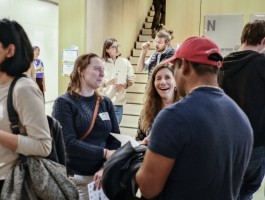
8-week mandatory practical research training in the research labs of IMGAG is a part of the "Human Genetics Course Module"
Find more details for the course module offered by IMGAG here.
November 19, 2024
8-week mandatory practical research training in the research labs of IMGAG is a part of the "Human Genetics Course Module"
Find more details for the course module offered by IMGAG here.
November 10, 2024
AG Ulaganathan participated in the event held at the renowned Max Planck Institute for Intelligent Systems in Tübingen,
organized by Cyber Valley GmbH. The event aimed to connect key players from science, entrepreneurship, and society,
providing a platform to discuss innovative ideas around artificial intelligence and modern robotics in the context of
health, while exploring potential collaborations.
Read it here.
October 7-8, 2024
AG Ulaganathan delivered a talk titled - "Dual Impact Phosphotyrosine SNVs – Potential Genetic Modifiers of Anti-Tumor Immune Response" at this annual Tumor Immunology meeting of the German Society of Immunology. For more information about the meeting programme, read here here.